News
We don’t expect success, we work for it. Become a part of an amazing team!
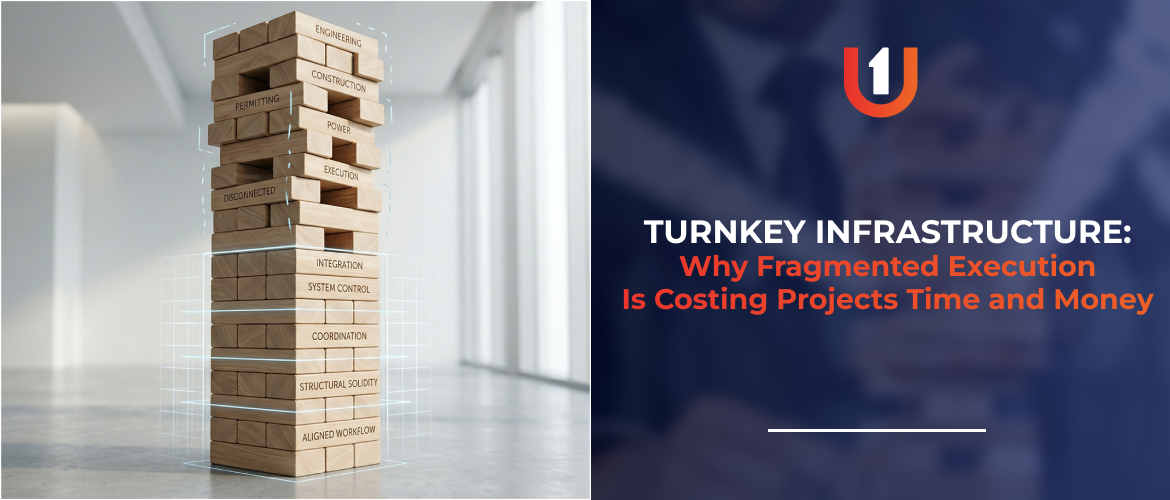
Turnkey Infrastructure: Why Fragmented Execution Is Costing Projects Time and Money
Infrastructure development requires close coordination between engineering, construction, permitting, and power integration. Despite this, many projects continue to operate under delivery models in which these functions remain separate.
This structure introduces misalignment at critical stages of execution. Designs are completed without full field validation, construction progresses with on-site adjustments, and utility coordination often falls out of sequence. These disconnects disrupt project flow, delay timelines, and limit overall control.
Operational Consequences of Disconnected Workflows
When execution is divided across multiple vendors, continuity is compromised. Each phase advances with limited visibility into the next, making coordination reactive rather than controlled.
Key impacts include:
-
Design-to-field inconsistencies requiring correction during construction
-
Delays in permitting and utility coordination
-
Inefficient sequencing across engineering, construction, and power teams
-
Reduced transparency in project tracking and reporting
These conditions directly affect schedule reliability, cost stability, and overall project performance.
Integrated Delivery as a Strategic Response
To address these challenges, infrastructure delivery is shifting toward integrated models that consolidate responsibility within a single operational framework.
This approach enables:
-
Alignment between design, field execution, and power integration
-
Consistent decision-making across all project phases
-
Improved visibility into progress and performance
-
Faster resolution of issues without cross-vendor dependencies
With all functions connected, projects advance with greater precision and fewer disruptions.
Execution Model at Utilities One Group
Utilities One Group delivers infrastructure through an integrated, turnkey model that aligns all phases of execution within a single operational framework. This structure ensures continuity from initial planning through final deployment.
The model includes:
-
Engineering & Design – In-house planning and drafting developed with direct consideration of field conditions and constructability
-
Program Management & Consultancy – Centralized oversight, coordination, and strategic planning across all project phases
-
OSP Construction (Aerial & Underground) – Structured field execution aligned with validated designs and controlled workflows
-
Wireless Infrastructure – Deployment of network infrastructure, including tower builds and system integration
-
Power & Energy Services – Electrical infrastructure supporting telecom, grid systems, and EV charging deployment
-
Fulfillment Services – Final-stage execution, connecting infrastructure directly to end users
By consolidating these capabilities, Utilities One Group maintains control over sequencing, coordination, and delivery standards across the full project lifecycle.
Consistent Application Across Infrastructure Programs
The same delivery framework is applied across Utilities One Group’s core sectors, including telecommunications, power, and EV infrastructure.
By maintaining a unified approach:
-
Projects are executed with consistent standards across regions.
-
Coordination between disciplines remains structured and predictable.
-
Delivery scales efficiently without introducing variability.
This consistency supports long-term program execution, not just individual project completion.
Conclusion
Execution challenges in infrastructure are most often driven by structural misalignment rather than technical limitations. Fragmented delivery models reduce visibility, weaken coordination, and introduce avoidable risk.
An integrated approach restores control by aligning all phases within a single framework. For organizations prioritizing performance and reliability, success depends not only on building infrastructure but on delivering it with precision, accountability, and operational consistency.
Share Via:
Related Posts

27 March, 2026
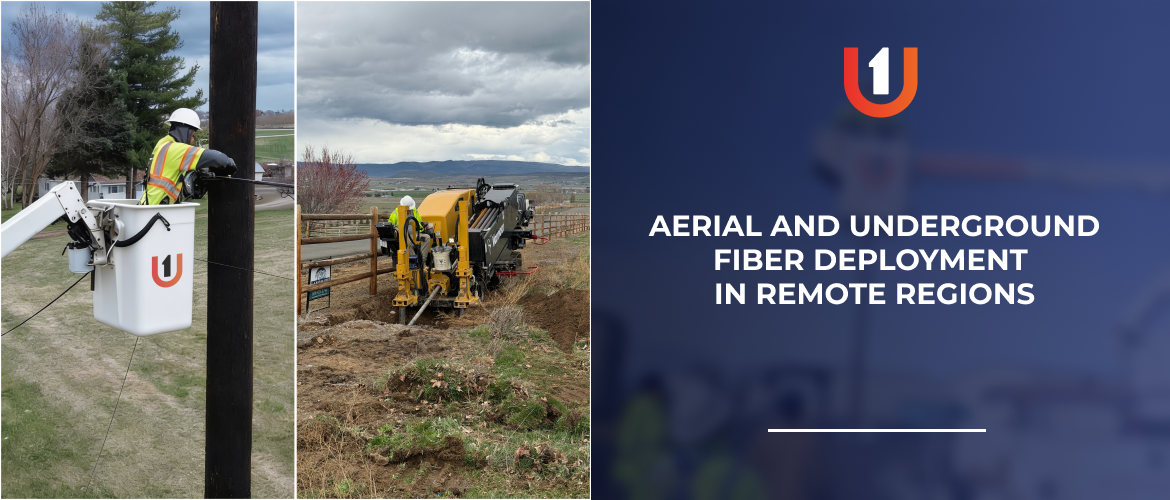
Aerial and Underground Fiber Deployment in Remote Regions
Remote network expansion requires precise execution across distance, terrain, and infrastructure limitations. This article outlines how aerial and underground fiber deployment are combined into a coordinated approach to ensure continuity, control, and reliable performance in challenging environments.
300 W Somerdale Rd, Suite 5E, Voorhees Township, NJ 08043
COPYRIGHT © 2026 UTILITIES ONE